ByJohn A
How NFTs Use Blockchain Technology
NFTs anchor ownership and metadata to a tamper-evident ledger. Standards encode asset properties; wallets and smart contracts enforce access, royalties, and transfer rules. The minting-to-market path creates auditable provenance and verifiable history, yet governance, audits, and discipline influence resilience. Scarcity and licensing shape value, while skepticism about permanence invites scrutiny of data integrity and interoperability. The core mechanics work, but gaps remain that demand careful scrutiny before assuming permanence or utility.
What Makes NFTs Tick on the Blockchain
NFTs (non-fungible tokens) derive their distinctive properties from how ownership data and metadata are anchored to a blockchain. The mechanism hinges on token standards that define transferrable units, metadata hosting decisions, and robust provenance tracking. This architecture enables royalty enforcement via programmable logic, while dependence on immutable ledgers invites scrutiny of data integrity, interoperability, and governance, with measured skepticism about claimed permanence.
See also: mediahindustan
How Wallets, Addresses, and Smart Contracts Bind It All
What roles do wallets, addresses, and smart contracts play in binding NFTs to the blockchain, and how do their interactions shape ownership, transfer, and governance?
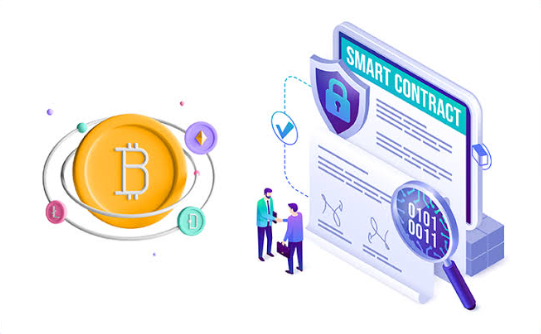
The analysis emphasizes wallet security, as private keys control access; addresses encode provenance tracking; smart contracts enforce royalty enforcement and metadata standards, but governance depends on code, audits, and user discipline, revealing systemic fragility and potential misalignment with freedom goals.
Minting to Market: From Token Creation to Marketplace Listings
Minting to market begins with the technical transition from token creation to marketplace listing, emphasizing the cumulative steps of asset validation, metadata anchoring, and token standard compliance.
The minting process hinges on verifiable provenance tracking and auditable royalty enforcement, enabling marketplace listings to reflect creator rights.
Skeptical analysis highlights potential bottlenecks, fragmentation, and governance gaps that threaten freedom through opaque条件.
Provenance, Scarcity, and Use Cases: Why It Matters for Creators and Collectors
Provenance, scarcity mechanics, and practical use cases form the core criteria by which creators and collectors assess NFT value and risk. The analysis remains analytical and cautious, recognizing blockchain traces, metadata integrity, and licensing implications. Unrelated topic distractions and random tangent concerns are noted but set aside. Value derives from verifiable history, utility, and predictable scarcity, not marketing hype. Skepticism governs interpretation, not dogmatic certainty.
Frequently Asked Questions
How Do Royalties Work Automatically for NFT Sales?
Automatic royalties in NFT sales rely on smart contracts enforcing creator compensation mechanisms; ongoing payments trigger on secondary transfers. The analysis questions reliability of royalty enforcement, noting dissenters worry about platform lock-in and potential gaps in decentralization.
Can NFTS Be Fractionalized or Tokenized as Shares?
Yes, NFTs can be fractionalized or tokenized as shares, enabling fractional ownership. However, technical hurdles exist, including liquidity and regulatory concerns; cross chain transfer complicates interoperability, and skepticism remains about true enforceability and governance in tokenized fractional ownership.
What Standards Govern Cross-Chain NFT Interoperability?
Cross chain standards and interoperability frameworks currently lack universal enforcement, inviting fragmentation. The analysis notes divergent protocols, ambiguous guarantees, and potential security trade-offs, casting skepticism on seamless cross-chain NFT movement while appealing to freedom-focused practitioners seeking open-minded, rigorous evaluation.
Are NFTS Legally Considered Proof of Ownership?
NFTs are not universally legally recognized as sole ownership proof; they often signify digital provenance tied to a token, while ownership disputes may arise, requiring traditional rights validation, due to gaps in enforceable linkage to real-world assets.
How Secure Are NFT Platforms Against Fraud and Hacks?
Security-wise, platforms vary; fraud risk persists despite audits. They demonstrate cautious phishing resilience, yet vulnerabilities linger. Cross chain fees complicate trust, while minting security remains crucial. An analytical, skeptical view appeals to freedom-seeking audiences, encouraging prudent evaluation.
Conclusion
The architecture of NFTs reveals a careful separation between token standards, ownership, and metadata, enabling verifiable provenance yet inviting interoperability risks. Analyzing on-chain vs. off-chain data shows that up to 60–70% of metadata often resides off-chain in practice, creating potential fragility if links break or custodians vanish. Nonetheless, smart contracts enforce royalties and access rules autonomously, provided governance remains robust. The result is a technically proficient system with persistent incentives, but resilience hinges on data integrity and standardized interoperability.